Modi Talks to AI Avatar of Spiritual Leader Who Died in 1993, Viral Video Sparks Debate
A striking holographic interaction at a New Delhi event has captured global attention, raising questions about AI, faith and how technology recreates the voices of the dead.
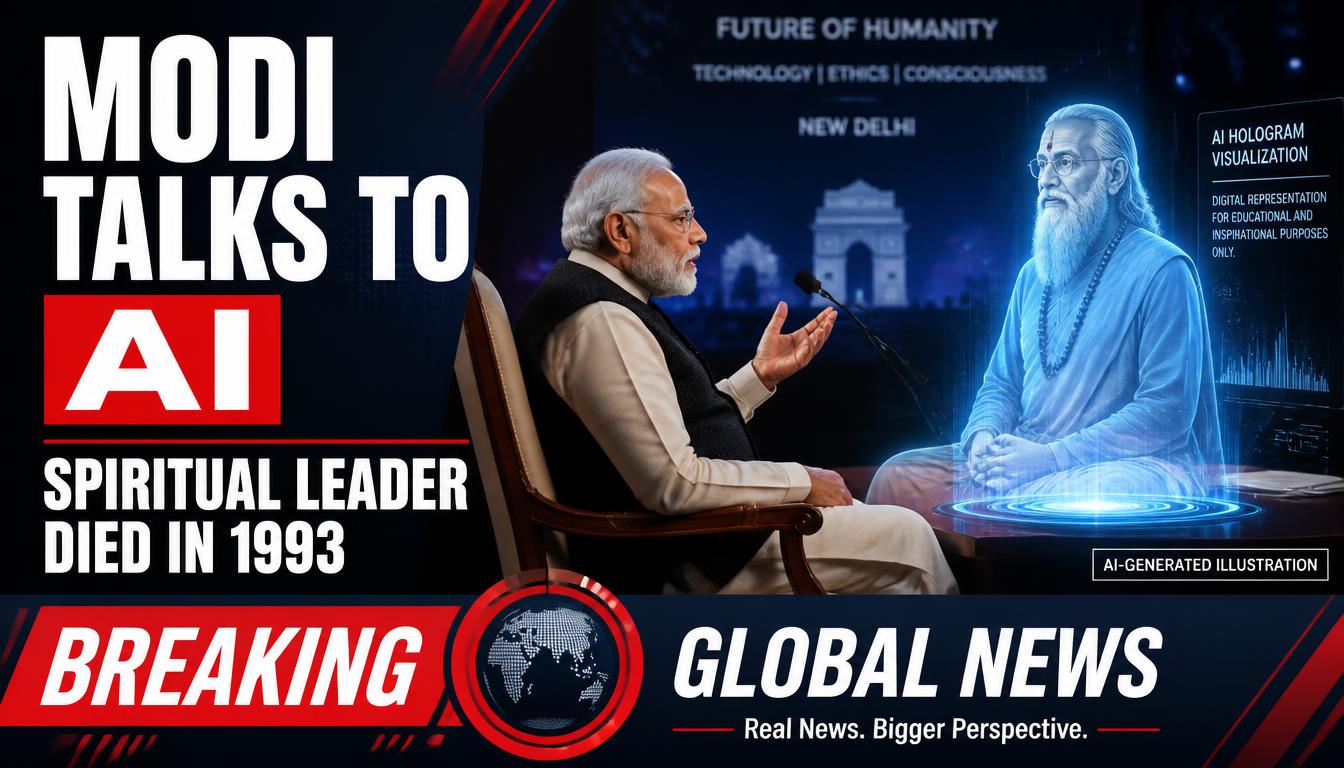 Photo: AI-generated illustration by Breaking Global News.
NEW DELHI, October 25, 2026: A remarkable intersection of artificial intelligence, spirituality and politics has put Indian Prime Minister Narendra Modi at the centre of a growing online conversation after he interacted with a holographic representation of Swami Chinmayananda, the Hindu spiritual teacher who died in 1993.
The interaction took place on October 23 at the Chinmaya Amrit Mahotsav Global Sammelan at Bharat Mandapam in New Delhi. The event marked 75 years of the Chinmaya Mission, the spiritual organisation founded by Chinmayananda in 1951.
Video footage of the encounter has spread across social media, drawing attention to the technology behind the presentation and generating a wave of memes, criticism and discussion.
A conversation recreated through technology
During the presentation, Modi addressed the digital representation of Chinmayananda and asked for blessings for his future work.
The holographic figure responded with words of support, including the phrase, “India is with you, Narendra,” according to media reports.
Modi described the experience as emotional, recalling his meeting with the spiritual teacher in 1993. He said the technology brought back memories of their earlier encounter and expressed gratitude to the Chinmaya Mission for creating the experience.
The interaction was not a meeting with the living spiritual leader. Chinmayananda died on August 3, 1993. The presentation used a technological recreation to represent him decades after his death.
Why is the video attracting attention?
The clip has drawn sharply different reactions online. Some viewers have seen the presentation as an innovative way to preserve a spiritual leader's legacy and introduce his teachings to younger generations. Others have responded with sarcasm, memes and questions about the appropriateness of recreating a deceased religious figure for a public interaction.
The contrast between an ancient spiritual tradition and modern digital technology has helped make the footage especially shareable.
However, viral reactions should not be mistaken for a measured picture of public opinion. Social media posts show individual responses, not necessarily what most people think.
What does AI make possible?
Artificial intelligence and holographic displays can help recreate a person's appearance, voice and conversational style using recordings, images and other available material. Depending on how a system is designed, it may combine pre-recorded content with AI-generated responses.
Such technology could offer new ways to explore historical archives, teach cultural traditions and make recorded knowledge more accessible.
It also raises important questions. How should audiences be told when a conversation is simulated? Who should control a deceased person's voice and likeness? And how can organisers ensure that generated statements are not confused with words the person actually said during their lifetime?
These questions become particularly sensitive when the person being recreated is a revered spiritual figure.
A wider debate about AI and human memory
The episode highlights a growing challenge as AI tools become more realistic: the line between an authentic historical recording and a newly generated interaction can become less obvious to viewers watching short clips online.
Clear disclosure, reliable historical records and careful use of a person's likeness can help audiences understand what they are seeing.
For supporters, the technology offers a new way to keep teachings and memories alive. For critics, it raises concerns about authenticity, representation and the boundaries of using AI in religious and public life.
One thing is clear: a short interaction at a spiritual gathering has opened a much wider conversation about how technology may change the way society remembers influential people.
The central question is no longer simply whether AI can recreate the past. It is how responsibly that recreation should be used.
This report distinguishes the reported event from online reactions and does not treat the holographic representation as the actual consciousness of Swami Chinmayananda.
Sources
Related stories

Rybakina Dominates Ningbo Final to Win First Title as World No. 1
Elena Rybakina defeated Canada's Leylah Fernandez 6–2, 6–2 in the Ningbo Open final on October 25. The victory secured her first title since reaching world No. 1, her fourth trophy of the season and the 15th WTA singles title of her career.

NEPAL CRICKET LEVELS UP! NPL Gets ICC Recognition, DRS and Global Stars
Nepal’s Premier League returns on October 26 with official ICC-recognised T20 status, the Decision Review System and international cricket stars. The changes could give Nepali players more opportunities to compete alongside experienced overseas professionals.

Tokyo Train Station Hires Two Goats to Eat Weeds, and They’re Stealing the Show! 🐐
Two goats named Nagi and Pokke have become an unexpected attraction at Tokyo’s Yotsuya Station. Hired to eat overgrown weeds as part of an environmentally conscious trial, the adorable pair are winning attention from commuters and passersby.