Nepal Secures $20 Million in Climate Disaster Funding
Funding aims to support recovery in flood-affected communities as Nepal faces growing climate-related risks.
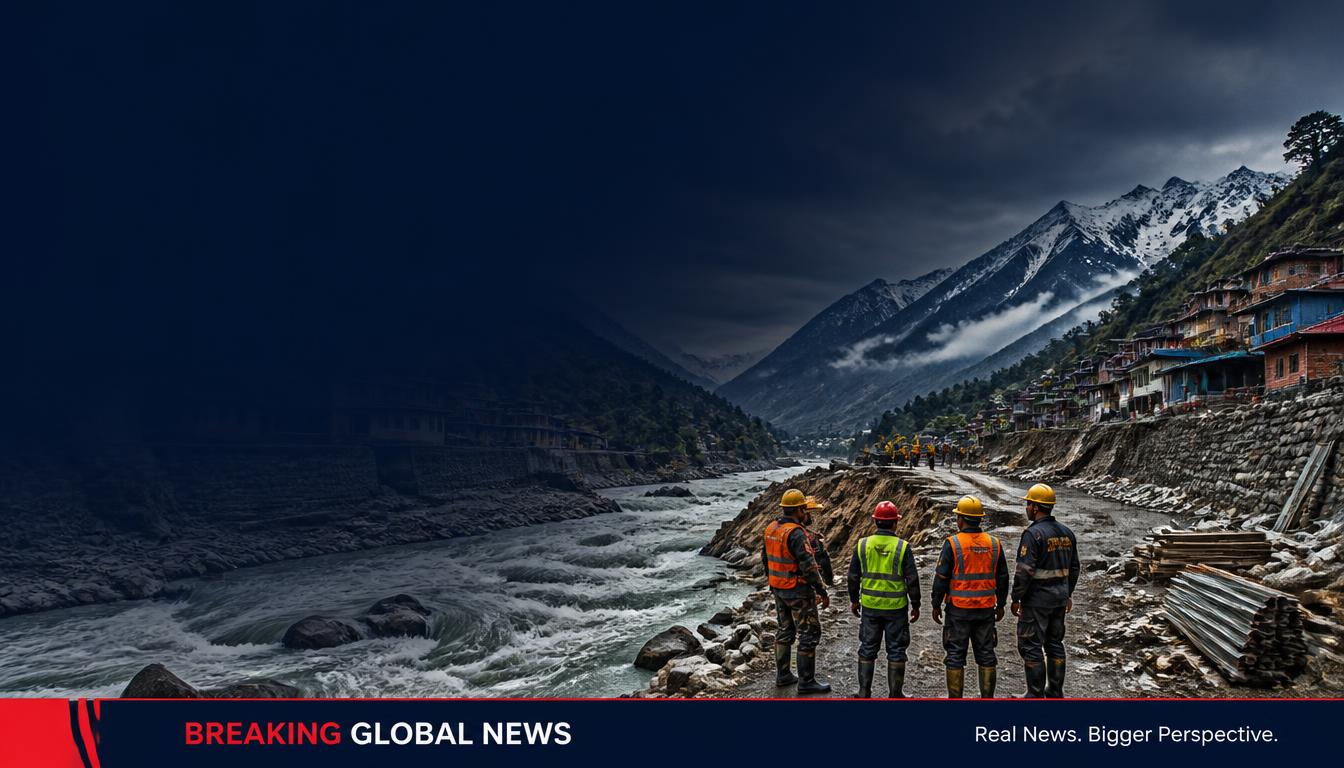 Photo: AI-generated image by Breaking Global News.
Nepal has secured approval for $20 million in climate-related funding to support communities affected by devastating floods in the Bhotekoshi–Trishuli region. The decision marks an important development in the country’s efforts to obtain international financial assistance for disaster recovery.
According to The Kathmandu Post, the Fund for Responding to Loss and Damage approved the allocation at a special board meeting on October 22, 2026. The funding is intended to support relief, rehabilitation and reconstruction in areas affected by the floods.
Funding follows devastating floods
The floods struck on August 26 and caused extensive damage across affected communities. Preliminary government estimates cited by Nepali media indicate that more than 60,000 people from approximately 15,000 households were directly affected.
The disaster damaged homes, infrastructure and livelihoods, highlighting the challenges Nepal faces when responding to major natural disasters in mountainous terrain.
What is the Loss and Damage Fund?
The Fund for Responding to Loss and Damage was established under the international climate framework to help vulnerable developing countries address the consequences of climate-related impacts that cause significant economic and non-economic losses.
For Nepal, securing international climate finance is particularly important because floods and landslides can affect settlements, roads, bridges, tourism and local businesses. Recovery costs can be substantial, especially when damage occurs across multiple communities.
The money is approved, but recovery still requires action
The $20 million allocation is a significant step, but approval does not necessarily mean the money is already available to affected families.
Nepal must follow the fund’s procedures and prepare the required project proposal before the financing can be accessed and implemented. The effectiveness of the support will depend on how quickly the process moves forward and whether assistance reaches the communities that need it most.
The allocation is also small compared with the overall estimated cost of rebuilding after the disaster. Additional resources, effective planning and transparent implementation will remain important for long-term recovery.
What happens next?
The next stage will involve preparing the proposal and meeting the fund’s requirements. Authorities will need to identify priority recovery needs and establish how the resources can best support affected communities.
The decision also highlights a wider international challenge: ensuring that countries exposed to severe climate impacts can access financial assistance when disasters strike.
For Nepal, the priority now is turning the funding approval into practical support for people rebuilding their homes, livelihoods and communities.
Reporting note: This article is based on reporting by The Kathmandu Post and other Nepali news outlets. The allocation has been approved, but the timing of disbursement and specific projects to be funded should be confirmed through official announcements.
Sources
Related stories

Bay of Bengal Cyclone Forecast to Bring Rain and Snow to Nepal
A weather system originating in the Bay of Bengal is anticipated to bring precipitation, including rain and snow, to Nepal starting Thursday night. This system is expected to impact a significant portion of the country through Saturday.