Nepal Takes Government Websites Offline Over Critical PHP Security Flaws
Authorities and financial institutions are applying security updates after critical vulnerabilities were discovered in widely used web software.
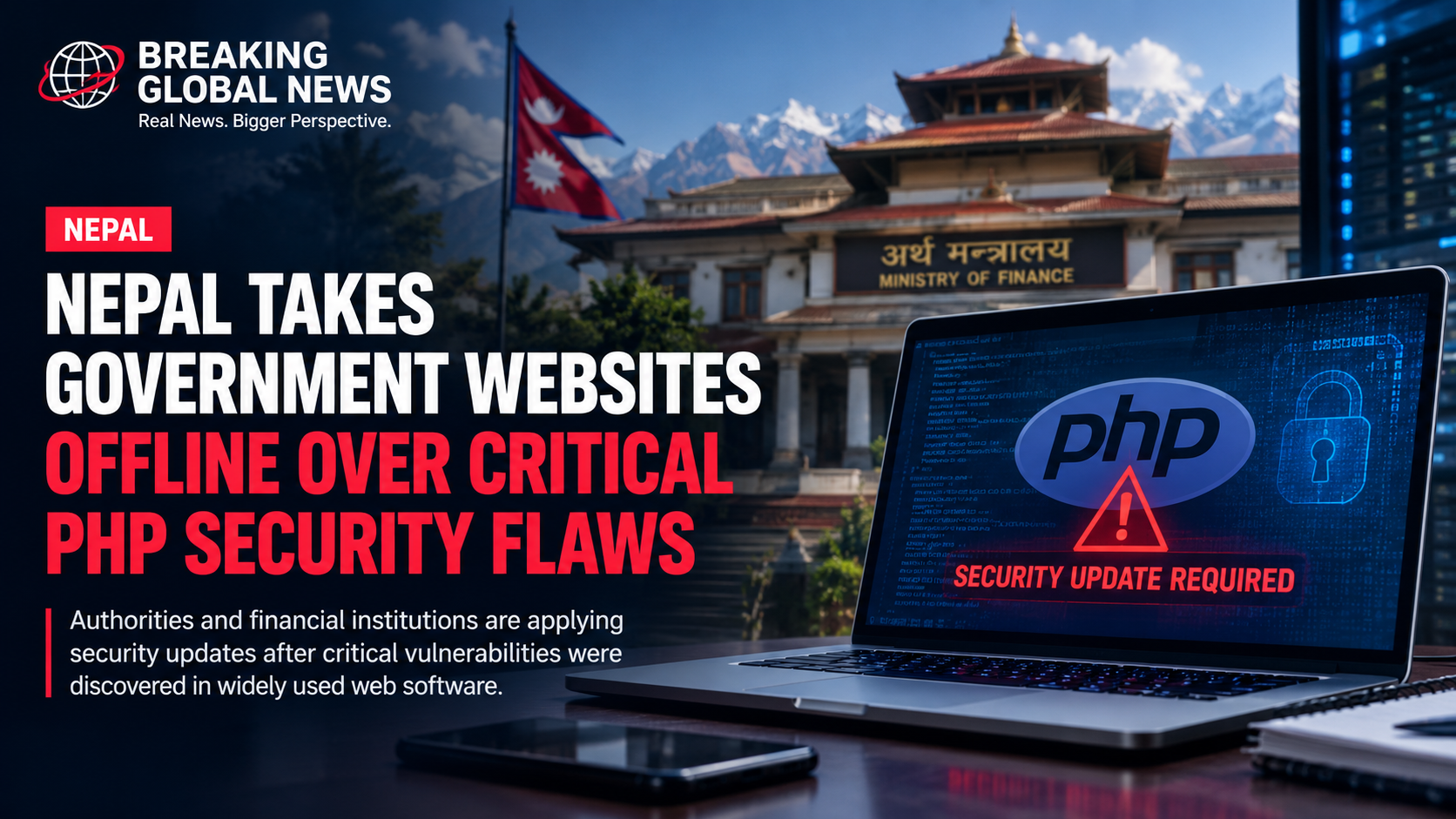 Photo: AI-generated image by Breaking Global News.
Government agencies and financial institutions in Nepal have temporarily taken some websites offline following warnings about critical security vulnerabilities in PHP, a programming language widely used to operate websites and online services.
The precautionary measures are intended to reduce the risk of cyberattacks while affected organisations review their systems and apply security updates.
What happened?
According to reporting by The Kathmandu Post, Nepal Rastra Bank urged banks, financial institutions, payment operators and remittance companies to strengthen their cybersecurity measures. Some organisations temporarily restricted access to their websites while assessing their exposure to the vulnerabilities.
The government’s Software Development and Operation Centre also reported emergency work to secure government systems. Some services were expected to return online after the necessary security updates were applied.
Why are the vulnerabilities serious?
PHP runs behind many websites and web applications. If a server uses vulnerable software and is not properly secured, an attacker may be able to exploit weaknesses to gain unauthorised access or execute malicious code.
The risk extends beyond websites built directly with PHP. Platforms and applications that depend on PHP may also require updates, depending on their configuration and the software versions they use.
Cybersecurity agencies have urged organisations to identify affected systems, install appropriate security fixes and restrict public access to vulnerable services when immediate patching is not possible.
Does this mean Nepal’s banks were hacked?
No. Taking a website offline as a precaution does not establish that it has been compromised.
The Kathmandu Post reported that banks and financial institutions had not reported losses involving customers or financial assets at the time of publication. Nepal Bankers’ Association representatives also said that mobile banking and QR payment services were operating normally, although some website-linked and internet banking services could be affected.
Customers should check their bank’s official communication channels for the latest information about individual services.
What should website operators do?
Organisations that manage websites should check which PHP versions and related applications they use, install security updates recommended by the relevant vendors, and confirm that the updates have been applied successfully.
Where systems cannot be secured immediately, operators should follow official cybersecurity guidance on restricting access until the risks have been addressed. Website owners who rely on third-party hosting providers should contact them to confirm whether affected systems have been patched.
What happens next?
The priority is to secure vulnerable systems and restore services safely. Organisations should also continue monitoring for suspicious activity and communicate clearly with customers about any disruptions.
The incident highlights how a vulnerability in widely used software can affect organisations across multiple sectors. It also underlines the importance of timely updates, security monitoring and coordinated responses to emerging cyber threats.
This article is based on published reporting and official cybersecurity guidance available at the time of writing. The discovery of a vulnerability should not be confused with evidence that a particular organisation has suffered a breach.