Nepal Launches Major Project to Mitigate Glacial Lake Risks and Enhance Flood Warning Systems
The seven-year 'Sanjivani GLOF' initiative aims to reduce water levels in four high-risk glacial lakes and expand flood forecasting across major river basins.


Government Initiative to Mitigate Glacial Risks
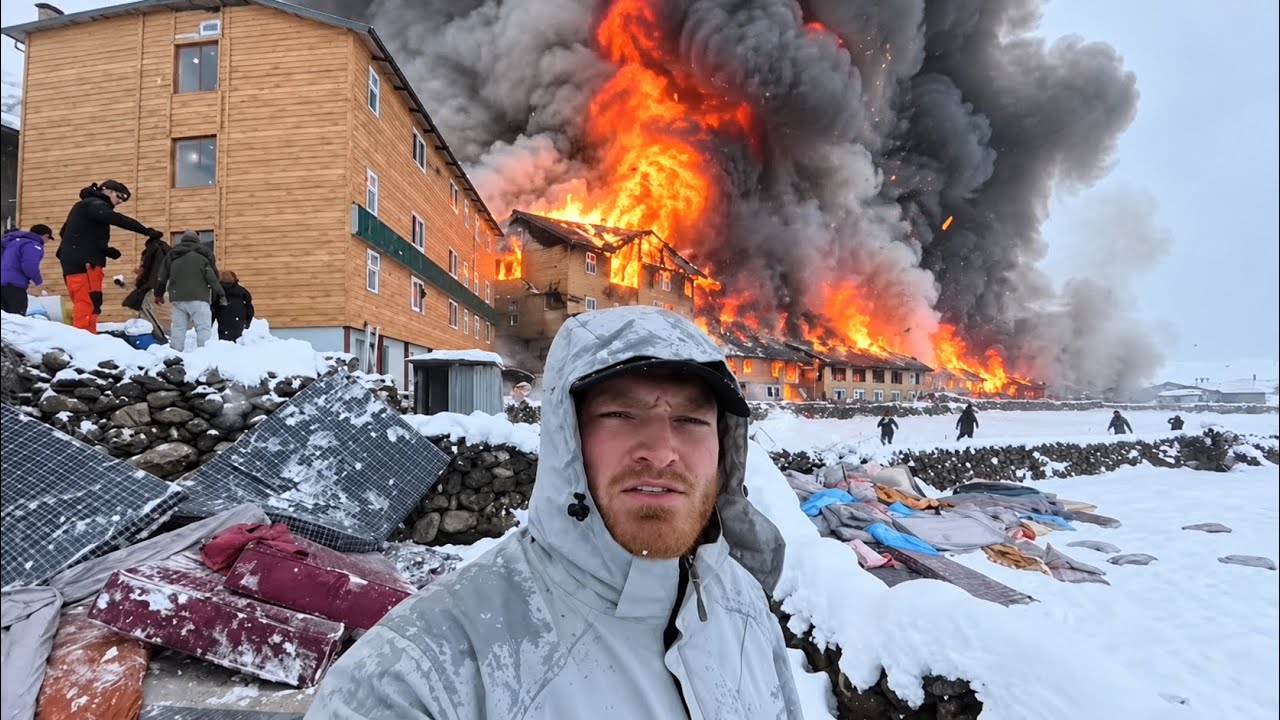
The government of Nepal has announced a comprehensive plan to address the growing risks of glacial lake outburst floods (GLOFs), avalanches, and landslides caused by climate change. According to Onlinekhabar, the initiative focuses on reducing the water levels of four high-risk glacial lakes located in the Manang, Sankhuwasabha, and Solukhumbu districts. The project, officially named 'Sanjivani GLOF,' is scheduled to run from 2026 to 2033.
Project Scope and Financial Backing
The total estimated cost for this seven-year project is approximately 49.9 million USD, which translates to over 7.5 billion Nepalese rupees. Funding is being sourced from multiple international partners and the national government. The Green Climate Fund is contributing 36 million USD, while the United Nations Development Programme (UNDP) is providing 2 million USD. The remaining balance will be covered by the government of Nepal.
Target Lakes and Technical Planning
The four lakes identified as high-risk are Thulagi in Manang, Lower Barun in Sankhuwasabha, and Lumding Tsho and Hongu-2 in Solukhumbu. Dr. Rajan Bhattarai, spokesperson for the Center for Hydrology and Meteorology Research under the Ministry of Energy, Water Resources and Irrigation, stated that all four lakes are situated at altitudes exceeding 5,000 meters. The preliminary plan involves lowering the water level of Hongu-2 by one meter and the others by approximately three meters.
Flood Forecasting Infrastructure
In addition to lake mitigation, the project aims to establish flood forecasting and early warning systems across four major river corridors: the Lower Barun, Arun, Dudh Koshi, and Marsyangdi. The objective is to provide 24-hour flood forecasting services to downstream communities. Dr. Bhattarai emphasized that these systems are crucial for enabling timely evacuations, rescue operations, and relief preparations, thereby reducing potential loss of life and property.
Implementation Timeline
While the project is officially underway, the physical work on the ground is not expected to begin immediately. According to the Center for Hydrology and Meteorology Research, the current phase is limited to preliminary studies, design, and the appointment of consultants. Dr. Bhattarai noted that the team will be occupied with these preparatory tasks throughout 2026 and 2027, with field operations anticipated to commence only after that period.
Related stories
Nepali Congress Convenes Parliamentary Party Meeting at Singha Durbar
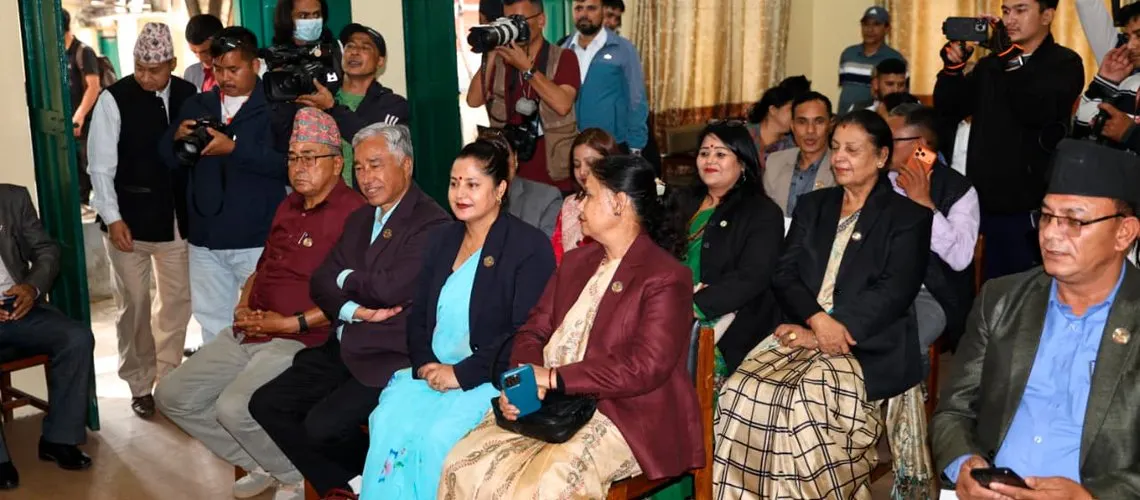
The Nepali Congress held a parliamentary party meeting on Monday morning at their office in Singha Durbar to discuss contemporary political issues. The session follows recent public remarks by party president Gagan Kumar Thapa, who raised concerns regarding the administration of the government.